Top Shelf or Mids: What You’re Actually Paying For
Walk up to most dispensary menus and the flower is sorted by price into a quiet little caste system. Top shelf at the top, mids in the middle, and something cheaper at the bottom that the budtender will describe with great tact. The tiers feel official, like grades. They are not grades. They are price bands, and the gap between the top and the bottom is sometimes real quality and sometimes a confident sticker. Knowing which is which is how you stop overpaying for a logo and start paying for the thing in the jar.
What the tiers actually mean
The labels describe price and presentation more than any measured standard. Top shelf is the priciest flower in the case, usually the best-looking, frostiest, loudest-smelling buds the shop has. Mids, short for middle-grade, is the dependable middle of the menu. Bottom shelf, sometimes sold as popcorn, larf, or smalls, is cheaper flower made of the smaller, looser, less photogenic buds from lower on the plant. None of these is a regulated category. One shop’s mids is another shop’s top shelf. The tier is a vibe with a price attached.
When the premium is earned
To be fair, top shelf is often more expensive for honest reasons. The real differences live in the things that take effort and money to get right. A slow, careful cure, which is the single biggest factor in whether flower smokes smooth or harsh. A proper hand trim instead of a rough machine job. Dense, loud terpenes you can smell across the room, which is the flower telling you it has character. Freshness, because terpenes fade with time. Good genetics and small-batch attention rather than warehouse volume. When you pay up for flower that nails those, you are paying for craft that you can actually smell and taste. That premium is earned.
What is just marketing
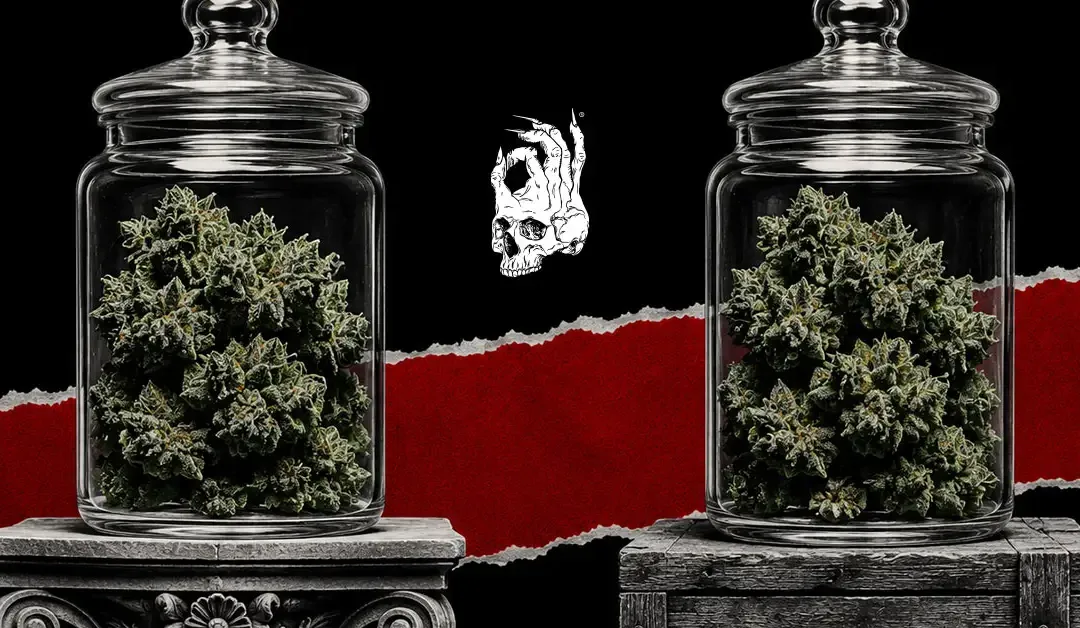
And then there is the other kind of premium, the kind you should refuse to pay. A big THC number on the label is not quality, it is one narrow measurement, and chasing it is how people end up with potent, flavorless flower that smokes like a cinder block. A heavy glass jar, a slick brand, a strain name that sounds like a video game boss, none of that changes what is inside. Plenty of top-shelf pricing is buying the packaging and the hype, not the cure. The tell is simple: if the only argument for the price is the THC percentage and the branding, you are paying for a sticker.
When mids are the smart buy
This is the part the top-shelf marketing would rather you skip. Mids are frequently the value sweet spot, and for a lot of uses they are the correct choice, not a compromise. If you are making edibles or infusing oil or rolling for a group, paying top-shelf prices to then grind it up and cook it is lighting money on fire. Well-grown mids with a decent cure and a real smell will outperform overpriced, poorly cured top shelf any day, and they will do it for less. The smartest shoppers buy down to the lowest tier that still passes the sniff test for what they actually need.
How to judge it yourself, tier be damned
The way out of the pricing game is to read the flower instead of the price band. Smell it first, because a big, layered, living aroma is the best signal you have. Look at it for frost, a clean trim, and real structure rather than green dust. Give it a gentle squeeze for a little give, not a crumble. Check that it was tested and that the lab work is real. Do that and the tier label becomes background noise. You are no longer buying top shelf or mids. You are buying good or not good, which was always the only question that mattered.
This is the same fight we picked with the number on the jar in High THC Doesn’t Mean Good Weed, where chasing the percentage leads you straight into overpriced disappointment. The proof that a flower is clean and what it claims to be lives in the testing, which we covered in Why Cannabis Is Lab Tested. And the strain name on the tier, indica, sativa, or some hybrid, tells you less than you think, as we got into in Indica vs Sativa vs Hybrid. Our Platinum Kush earns its spot on cure and terpenes, which is the only kind of premium worth paying for.
More on telling real quality from marketing at Infernal Insights.
Frequently Asked Questions
What does “mids” mean for weed?
Mids, short for middle-grade, is the dependable middle price tier of flower. It is not a regulated grade, just a price band, and well-grown mids can easily beat poorly cured top shelf.
What makes weed “top shelf”?
Usually a careful cure, a good hand trim, dense terpenes you can smell, freshness, and strong genetics. Those justify a higher price. Often, though, top-shelf pricing is also buying packaging, branding, and a high THC number, which do not.
Is top shelf weed worth the extra money?
Sometimes. It is worth it when you are paying for a real cure and loud terpenes you will taste. It is not worth it when the only argument is the THC percentage or the brand, and never worth top dollar if you are just going to grind it into edibles.
When should I buy mids instead of top shelf?
When you are making edibles, infusing oil, or rolling for a group, and any time well-cured mids smell good enough for your needs. Buying down to the lowest tier that still passes the sniff test is usually the smart move.
How can I judge flower quality without the price tier?
Smell it for a big, living aroma, look for frost, a clean trim, and real structure, give it a gentle squeeze for some give, and confirm it was properly lab tested. Those tell you more than any tier label.