High THC Doesn’t Mean Good Weed
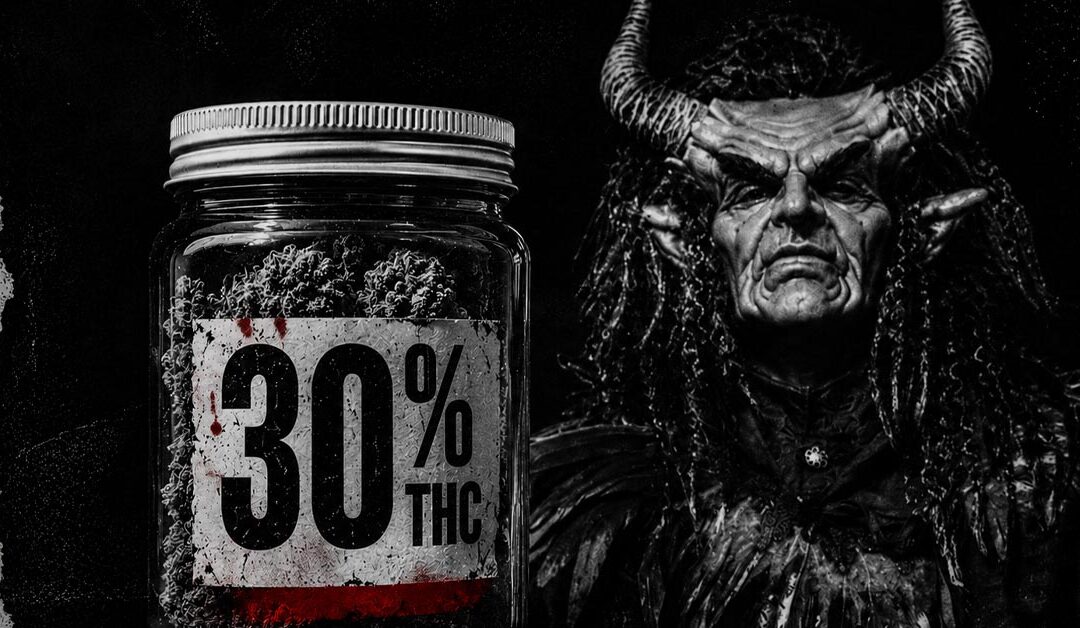
You can learn a lot about how broken weed shopping is by watching people walk up to the counter, grab a jar, and go straight for one number. The THC percentage. Not the smell, not how it was grown, not whether it will be pleasant to smoke. The percentage. Then they decide everything off of it.
I get the appeal. One number, easy to compare, bigger is better, done. The trouble is that the number measures one narrow thing, and that thing is not quality.
What the number even is
All the percentage tells you is how much THC is in the flower by weight. That is the entire message. It says nothing about how the plant was grown, how long it was cured, what it smells like, what the rest of the chemistry is doing, or whether smoking it will be smooth or feel like inhaling a bonfire. It is one number doing a convincing impression of a grade. You can have a 30 percent that tastes like burnt hay and an 18 percent that is the best thing you smoke all year, and the jar cannot tell them apart. Your nose can. We will come back to your nose.
Why more THC is not a better high
Past a certain point, more THC mostly makes it hit harder. It does not make it hit better. The stuff people are after, whether the high is heady or heavy, whether you feel social or welded to the couch, comes from the terpenes and the other cannabinoids working together, not from raw THC. So when you chase the biggest number, you usually end up with weed that flattens you and has about as much personality as a cinder block. Potent and good are two different things. The industry would rather you not notice that, because a big number fits on a sticker and “cured slowly by someone who cared” does not.
The number isn’t even honest
That should bug you more than it does. Those percentages get inflated all the time. Labs compete for growers’ business, growers bring their flower to whichever lab hands back the prettiest number, and the practice is common enough to have a name. They call it lab shopping, and it is exactly as cynical as it sounds. On top of that, the testing wobbles from sample to sample, and the number slowly drops as the flower ages. So you are not just trusting a weak metric. You are trusting a weak metric that somebody already leaned on.
What actually makes weed good
Mostly the things the number ignores. How it was grown, and more than anything, how it was cured. A slow, patient cure is what separates smooth from harsh, and it is the step cheap operations rush. Then the terpenes, which you can smell. Good weed smells loud and specific and alive, not faint, not like a bag of hay. The trim and the structure matter, and so does the moisture. Flower that crumbles to dust got handled badly. And the thing that matters most is the one no lab measures, which is how it treats you when you smoke it. A well-grown, properly cured, terpene-loud 18 percent will beat a rushed, flavorless 28 nearly every time, and it will not be close.
How to pick without the number
Smell it first. A big, layered, distinctive smell is the best single signal you have, because that is the terpenes telling you something is going on in there. Then look at it. You want frost, a clean trim, and real bud structure instead of green powder. Give it a gentle squeeze. It should have a little give, not shatter. Then smoke it and pay attention, and write down what you thought, because your own notes on what you liked are worth more than every percentage in the whole case. The number is a floor, not a grade.
None of this means potency is meaningless. It means it belongs near the bottom of the list, under smell and cure and how it treats you. For what it is worth, our Platinum Kush runs around 24 percent, and that is not the reason we put our name on it. The cure and the terpenes are. The number is just a number.
More cannabis taken apart without the mysticism over at Infernal Insights, including why that label number is partly fiction in THCA vs THC.
Frequently Asked Questions
Does higher THC mean a stronger high?
Kind of, yeah. But a stronger hit is not the same as a better one. Once you are past a moderate level, extra THC mostly adds intensity. What shapes the high is the terpenes, the rest of the cannabinoids, your tolerance, and how much you take.
What counts as a good THC percentage?
Most good flower lands somewhere in the mid-teens to mid-twenties. Hunting for 30 and up is usually paying for a number, not a better night.
Can low-THC weed still be high quality?
Easily. A well-grown, well-cured, terpene-rich flower in the high teens will routinely outperform a harsh, flavorless one with a bigger number on the jar.
Are the THC numbers on labels accurate?
Often they are padded. Results vary between labs, the figure drifts as the flower ages, and lab shopping, taking product to whichever lab reports the highest number, is a known problem across the industry.
Why do dispensaries price by THC percentage?
Because it is one simple number customers fixate on, which makes it easy to sell. Cure quality and terpene content are harder to put on a price tag, so the simple number wins the shelf.