
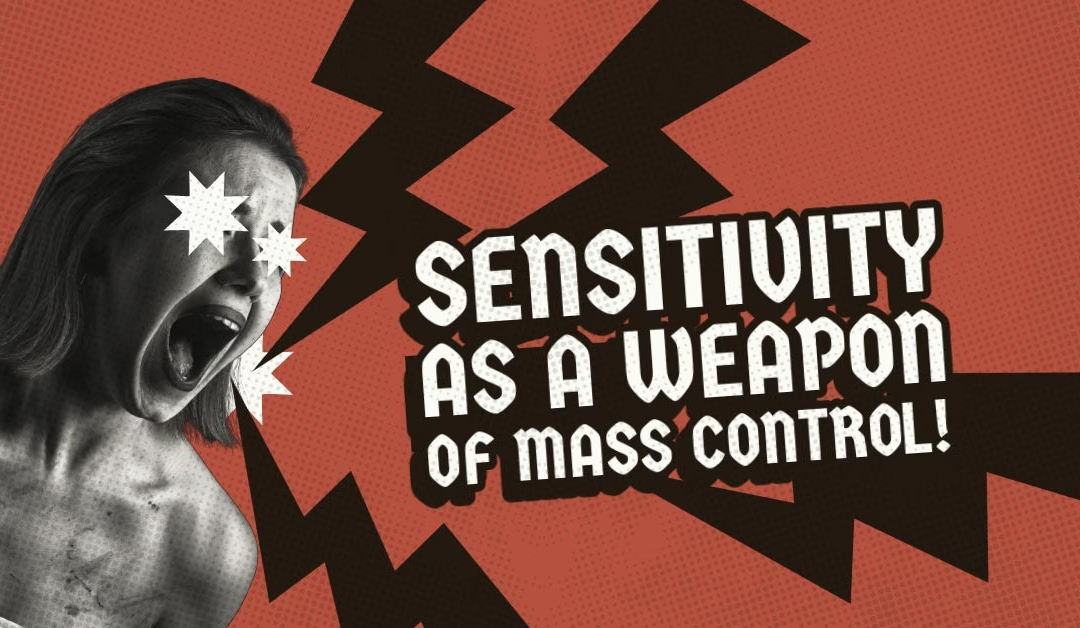
Genuine sensitivity is quiet and responsive. Performed sensitivity is loud, requires an audience, and functions as a conversational shutdown. Hellbeing on the difference between the two.
Estimated reading time: 6 minutes
When Sensitivity Becomes the Mechanism That Stops the Conversation
Sensitivity, in its original form, is the capacity to notice what other people are experiencing and respond to it. That is a useful quality. It is how you know when to stop talking about something because the person you are talking to is struggling. It is how you read a room. The problem is that the word now covers something else as well — the use of expressed discomfort as a mechanism for ending discussions before they start. These are different things and conflating them is how one of them gets to hide inside the reputation of the other.
The Distinction
Genuine sensitivity is responsive. It emerges from actually paying attention to what is happening around you. It is not announced. It does not require an audience. When someone is genuinely sensitive to another person’s experience, they adjust quietly because the other person’s comfort is the point.
Performed sensitivity is different. It is loud. It requires witnesses. The goal is not to make the other person more comfortable — it is to make the speaker appear more attuned, more principled, more aware than whoever said the thing that triggered the response. The discomfort being expressed is real enough, but its function is social positioning rather than genuine care about the subject. The person performing sensitivity is not saying “this hurt someone.” They are saying “watch me notice that this hurt someone,” which is a considerably different thing.
What Gets Lost
The practical consequence of using sensitivity as a conversational shutdown is that the conversations that most need to happen are the ones that get shut down first. The uncomfortable ones. The ones where someone has a perspective that challenges something established. These are exactly the conversations where expressed outrage is most effective as a deterrent, which means they are exactly the conversations that happen least.
Cannabis is a good example. A century of expressed moral horror — reefer madness, gateway drug rhetoric, the full apparatus of performed sensitivity about what a plant would do to society — succeeded in keeping a genuinely useful thing illegal and inaccessible to people who needed it, while genuinely harmful alternatives were not subject to the same horror. The outrage was not proportionate to the actual harm. It was proportionate to what the outrage served.
The Alternative
Actually engaging with uncomfortable ideas rather than expressing distress at them. Asking what the person means before deciding how to feel about it. Treating the conversation as something that might contain information rather than something to be defended against. This requires the willingness to be changed by what someone says, which is the part that is genuinely difficult and the part that performed sensitivity is specifically designed to avoid.
Empathy that only applies to people who already agree with you is not empathy. It is comfort dressed up as a virtue.
More at Infernal Insights.
Frequently Asked Questions
Genuine sensitivity is responsive — it emerges from actually paying attention to what the people around you are experiencing and adjusting quietly. Performed sensitivity is announced, requires witnesses, and functions primarily as social positioning. The goal of genuine sensitivity is the other person’s comfort. The goal of performed sensitivity is the speaker’s reputation.
Genuine sensitivity does not require an audience. If the expression of discomfort is louder and more public than the situation seems to warrant, if it is directed at people who are not in the room, or if it consistently positions the speaker as more attuned than whoever triggered the response, it is likely performance rather than feeling.
They overlap significantly. Both use the language of harm and sensitivity to shut down conversations rather than engage with them. Both reward the performance of being offended over the substance of the offence. The distinction is scale — cancel culture is performed sensitivity applied at the collective level with social consequences attached.